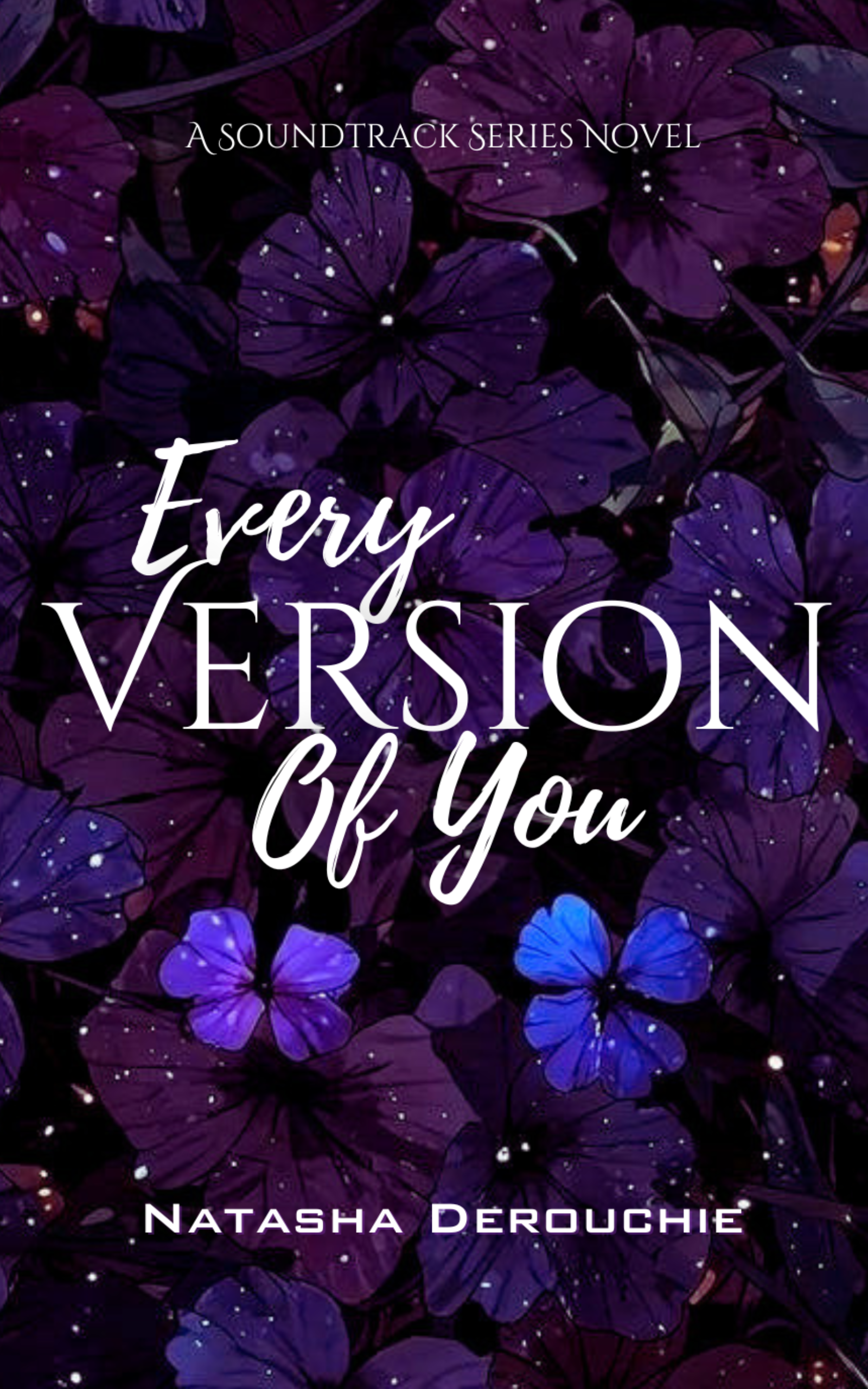
He chased the spotlight.
She was made for the quiet.
Yet somehow, they found each other in the space between.
Nate Carson carries the weight of a team, a city, and a story everyone thinks they already know.
Tessa Lane carries the weight of a past she’s finally learning how to stand up from.
Neither of them is looking for love, especially not the kind that makes everything else come undone.
But sometimes two lives collide in a way that feels inevitable.
What grows between them is real, fragile, and transformative… until the world intrudes and pressure cracks.
Every Version of You is not a conventional romance.
While it contains deep connection, intimacy, and love, it centers on personal transformation rather than a guaranteed HEA or HFN.
This is a character-driven, emotionally immersive story about love, loss, and the versions of ourselves we become when life doesn’t follow the plan.
It’s about the version of him she knew best…
and the version of herself she must become
when love changes
and leaves its mark forever.
A Note from the Author
This book is raw, emotional, and sometimes painful, but also rooted in resilience, rebuilding, and the versions of ourselves we grow into after life changes in ways we never asked for.
Please take care of your heart as you read.
Skip scenes if needed. Pause if you need a break.
You deserve to read safely.
Please note:
The content warnings below contain major story spoilers.
If you prefer to experience the book as the story unfolds, you may want to stop here.
Every Version of You is an emotionally heavy novel that includes mature themes, open-door romantic scenes, and elements that may be distressing to some readers.
Your safety and comfort matter. Please use the information below in whatever way feels right for you.
Major Content Warnings (Spoilers)
These elements play a significant role in the story:
Sudden loss of a romantic partner (on-page impact)
Grief, trauma, and complicated mourning
Pregnancy while grieving
Open-door romantic scenes
Emotional manipulation and pressure within a professional sports environment
Public harassment / media intrusion
Panic attacks, dissociation, and anger spirals
Emergency scenes / medical settings
Themes of abandonment and complicated family trauma
Secondary Content Warnings (Spoilers)
These occur in the story but are not central to the narrative:
Vehicular accident and aftermath (injury, shock)
Intense emotional conflict
Funeral scenes
Crowd panic / public pressure
Mentions of past emotional abuse or gaslighting
Every Version of You
Book 2 of the Soundtrack Series
Goodreads review
“This was a beautiful story of growth, of love and of moving forward when your world ends. Natasha drew me in from the first chapter, right until the last. I laughed, cried ugly tears and smiled at Tessa's ending. Thank you for your beautiful work.”
Amazon review
“This story I thought was going to be a fairly predictable love story, I was wrong it was more. Loved Tessa she was a person you would be honoured to call a friend. Nate he was lost, and to a certain degree used. He had good family, who whilst Nate was away being the Captain superstar had taken Tessa into their family and under their wing. Nate loved Tessa but kept something from her that truly changed their relationship. Tessa truly loved Nate but couldn't believe what he allowed to happen. I have to admit I cried, for Nate, Tessa and his family.”
Goodreads review
“Another beautifully written story that I couldn’t put down. It was perfectly paced and even with the gut wrenching climax and subsequent conclusion that had me in tears from that point on it was still just right. You can feel everything the characters feel through the authors writing. While not a typical HEA, I still believe there was one in a way. (Tried to write this without any spoilers bc you really have to read this book! Once you start, there is a magnetic pull to just finish it!)”